



“What Am I Always in Pain?” – No, Its Not All ‘In Your Mind’

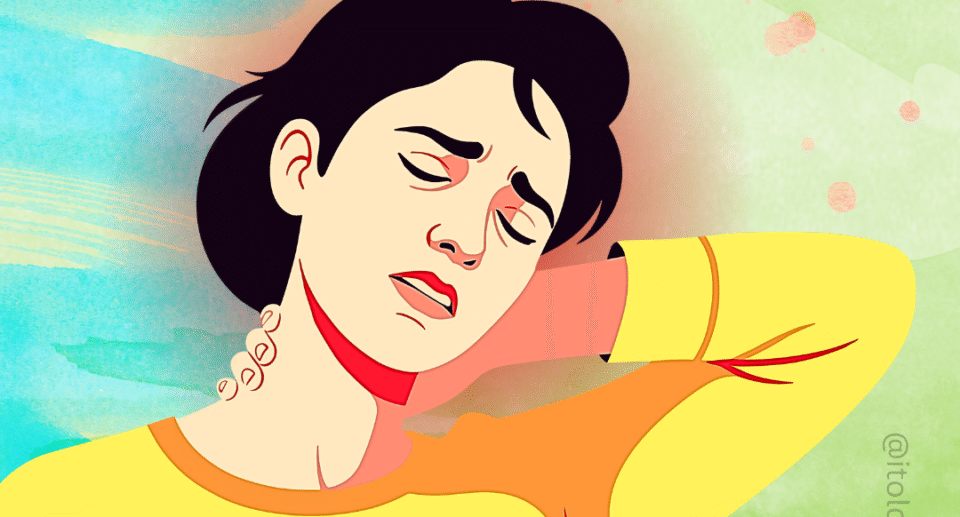

The notion that “pain is all in the mind” is long established. So long that it has mutated into a well-worn platitude. It is also a bunch of BS. Try telling someone who has just smashed their thumb while hanging a picture that the pain is “all in their mind” and watch them try to resist throwing the hammer at you. Saying this, while likely well meant, wouldn’t be helpful, just as it isn’t helpful to tell someone with a chronic condition to “relax and you’ll feel better.”
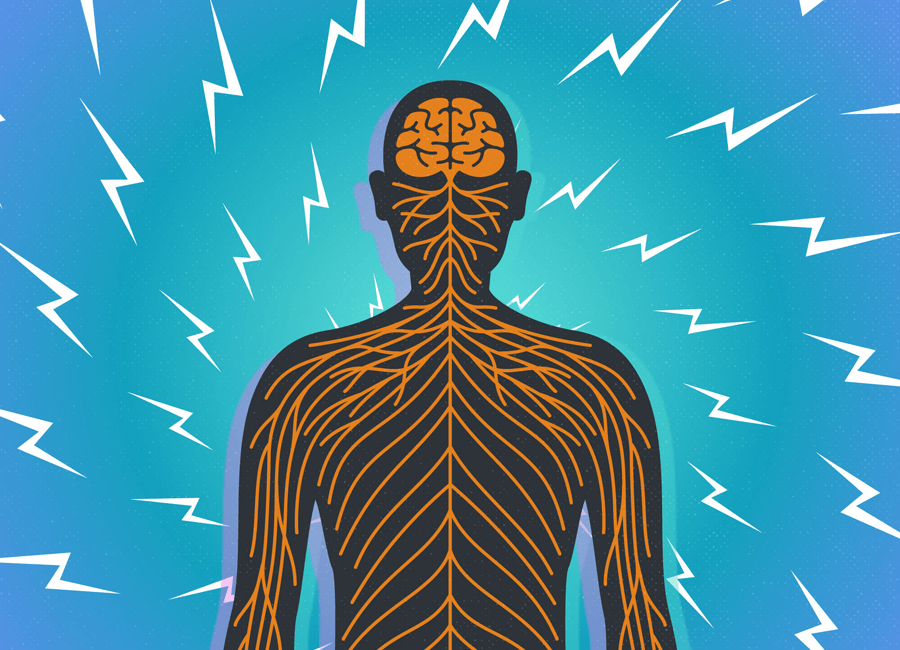
Pain may be registered in the mind through neurosignals, but these signals originate from very real physical issues.
Rheumatoid Arthritis
One of the most common forms of painful chronic conditions, the risk of rheumatoid arthritis increases simply with age. Symptoms such as severe joint pain tend to manifest between the ages of 30 and 50. An autoimmune condition occurs when the body’s immune system mistakenly attacks the joints. Typical symptoms include swelling, stiffness, warmth, and chronic pain. The good news is that the symptoms can be highly manageable, especially when diagnosed early with a combination of physical support, medication, and certain lifestyle changes.
Ehlers-Danlos Syndrome (EDS)
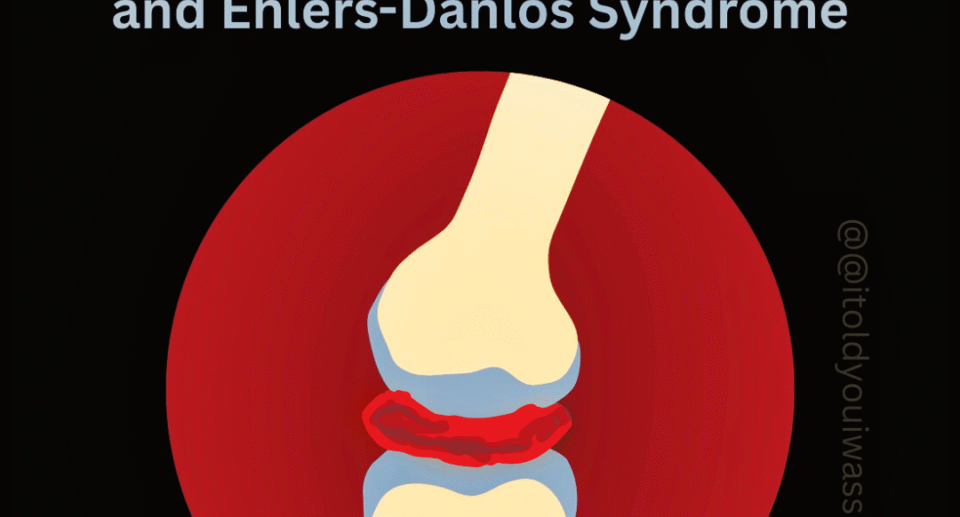
Not one but a collection of interrelated disorders inherited from the parents, Ehlers-Danlos
Syndrome mostly impacts various connective tissues, including skin and joints, leading to heightened sensitivity, easy bruising, and potentially chronic non-injury related pain, particularly in the joints.
Degenerative Disc Disease
Located exclusively in the back, most often in the lower lumbar region, Degenerative disc disease is an erosion of the cushioning around the spine. Distinct from average age-related degradation, which can start after 40, and usually has few or mild symptoms,
Degenerative disc disease can result in sudden, sharp, and persistent pain in the back and neck because the spine is no longer properly supported, but it can be treated through physical therapy, as the cause is almost entirely structural/skeletal.
Fibromyalgia
One of the more complex chronic conditions, Fibromyalgia is a lifelong condition that can cause intense, body-wide pain, in addition to headaches, irritable bowel syndrome, and anxiety, which, not surprisingly, can also lead to depression, particularly in female patients. Generally, genetic and often, but not always, the direct result of a particular trigger like injury, infection, or a particularly stressful event, the condition cannot be cured and tends to be lifelong. The good news, for what it is worth, is that there are treatments that can help manage the worst of the symptoms, so it should not be constant agony.
Complex Regional Pain Syndrome (CRPS)
A very concentrated and intense pain usually in arms or legs and always involving chronic pain, this unusual and still little-known condition tends to come about after some sort of physical event, such as serious injury, surgery, or a heart attack. The pain usually associated with each instance becomes very intense and lasts longer than it would naturally.
Fortunately, this condition is rare and can be improved sometimes to the point of full correction with early and concentrated treatment.
The Takeaway
If you’re always in pain, there’s a physical or neurological reason. It’s not “all in your head”. If your current doctor doesn’t understand or believe you, it might be time to find a new one who will take you seriously.

2 Comments
Finally, someone who actually understands that people with chronic pain aren’t making it up or exagerating. Thank you
You’re so welcome. Hey, are you writing for Health on a Budget? I use to write for them too a long time ago