




Helpful Ways to Get Better Sleep with a Chronic Illness

Having a chronic illness can cause sleeping difficulties, whether it’s falling asleep, staying asleep, or achieving consistent, good-quality sleep. Yet, sleep is essential to managing chronic conditions. Getting adequate sleep strengthens your immune system and reduces pain, inflammation, and flare-ups.
Keep reading to learn more about helpful ways to get better sleep with a chronic illness.
How Can You Sleep Better with a Chronic Condition?
Chronic conditions tend to disrupt sleep, while poor sleep exacerbates symptoms of chronic illness, creating a vicious cycle that can considerably affect your quality of life.
You can break this cycle, sleep better, and effectively cope with your chronic condition with these tips:
Reduce Pain as Much as Possible
Taking your prescribed pain medications before bedtime can lessen pain and promote restful sleep. However, it can be easy to forget to take your pills due to various reasons, such as distractions, multiple daily doses, or feeling overwhelmed by the long-term treatment.
It’s important to remember that medications work optimally when taken as directed. To avoid missing a dose, you can ask a loved one, download a medication reminder app, or set a daily alarm on your phone to remind you to take your medications.
Additionally, practicing relaxation techniques such as gentle stretching and mindfulness meditation every night can calm your nervous system, making it easier to fall and stay asleep.
Cognitive Behavioral Therapy (CBT)
CBT focuses on strategies that pinpoint and change negative behaviors and patterns that could be keeping you from sleeping soundly at night. It provides practical tools to manage the psychological and emotional challenges of your chronic condition and helps you develop healthy sleeping habits.
Magnesium Flake Baths
Soaking in magnesium flakes regularly is not only a soothing experience but can also improve sleep quality. These soaks help you absorb magnesium through your skin, regulating neurotransmitters, including GABA, involved in the sleep cycle.
However, not all magnesium is equal. Magnesium chloride or magnesium flakes is more beneficial than magnesium sulfate or Epsom salt.
Magnesium sulfate has a lower absorption rate. Although it works fast, its effects wear off just as fast.
In addition, it can cause skin irritation and dryness with repeated use.
Caution: If you’re allergic to sulfates, avoid Epsom salt baths, and talk with your medical provider before using any magnesium products.
On the other hand, magnesium chloride delivers more magnesium through the skin and offers longer-lasting benefits. Plus, it’s gentler on the skin and doesn’t leave it dry or irritated.
Sleep Stories
Listening to sleep stories can shift your mind toward something less stimulating and more relaxing, helping you fall asleep quickly and experience deeper sleep.
If you’re looking for sleep stories, you can try Snooze with Sam or ASMR Historian on YouTube.
For a more immersive experience, invest in sleep headphones, which are more comfortable to wear while lying down. You may want to use a tablet instead of your phone to ensure that calls and other notifications don’t disrupt your rest.
It’s also worth considering getting a premium membership on YouTube so you’re not bothered by ads.
Specialized Pillows
You can sleep better with the right pillows. Specialized pillows can help manage your chronic illness and improve sleep by supporting muscles, alleviating pressure points, and maintaining proper head, neck, spine, hip, or knee alignment.
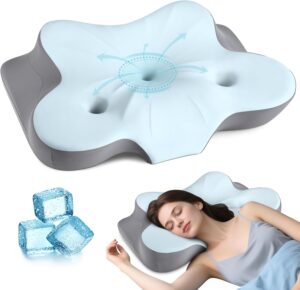
There are many options tailored to specific needs, including memory foam, body, and neck pillows. You can consult with your physiotherapist or doctor to help you find the best pillow for your specific condition.
Conclusion
Sleep is crucial to people with chronic conditions. If you’re living with a chronic illness and experiencing sleep issues, these tips can help you enjoy the deep, restorative sleep you deserve and need to manage your condition effectively.

2 Comments
Feces
Why? LMAO!