





10 Foods That Automatically Worsen Autoimmune Disease


Are You Eating Any of These?
Living with an autoimmune disease can feel unpredictable and, at times, overwhelming. One day your body seems manageable, the next you’re dealing with fatigue, joint pain, digestive issues, or brain fog that makes even simple tasks feel difficult. While there are many factors involved in autoimmune conditions, one of the most powerful, and often overlooked, is diet.
Food isn’t just something you eat when you’re hungry. For people with autoimmune conditions, food can either support the body or quietly trigger inflammation behind the scenes. The challenge is that many of the foods that contribute to inflammation are deeply embedded in everyday diets.
This isn’t about fear or restriction. It’s about awareness. When you understand which foods may be working against your body, you can begin to make small, manageable changes that support your health over time.
Below are ten common food categories that are known to worsen inflammation and potentially aggravate autoimmune symptoms.
- Fast Food
Fast food is designed for convenience, but that convenience comes at a cost. Most fast food meals are high in trans fats, refined carbohydrates, sodium, and additives. These ingredients can trigger inflammatory responses in the body, especially for individuals with autoimmune conditions.
Eating fast food occasionally may not seem like a big deal, but regular consumption can contribute to ongoing inflammation, fatigue, and digestive discomfort. The lack of nutrients also means your body isn’t getting what it needs to repair and regulate itself.
- Junk Food
Junk food includes chips, candy, sugary snacks, and other ultra-processed items. These foods are often high in sugar, unhealthy fats, and artificial ingredients. They can cause rapid spikes and crashes in blood sugar levels, which can worsen fatigue and irritability.
For people with autoimmune conditions, junk food can amplify inflammation and make symptoms harder to manage. Over time, frequent consumption may also impact gut health, which plays a critical role in immune function.
- Pre-Prepared Meals
Pre-packaged meals are often marketed as convenient solutions for busy lifestyles. However, many of these meals contain preservatives, additives, and high levels of sodium to extend shelf life and enhance flavor.
Even meals labeled as “healthy” can include hidden ingredients that may not support immune health. For individuals with sensitivities, these additives can contribute to subtle but persistent symptoms.
- Baked Goods
Baked goods such as pastries, cookies, cakes, and white bread are typically made with refined flour and sugar. These ingredients can increase blood sugar levels and promote inflammation.
Many baked goods also contain processed oils and additives that further contribute to their inflammatory potential. While enjoying a treat occasionally is perfectly fine, regular consumption can make symptoms worse over time.
- Industrial Seed Oils (Canola, Soy, Corn Oil)
Canola, soy, and corn oils are widely used in processed foods and restaurant cooking. These oils are often highly refined and contain high levels of omega-6 fatty acids.
While omega-6 fats are not inherently harmful, excessive consumption can create an imbalance in the body, promoting inflammation. Many modern diets contain far more omega-6 than omega-3, which may contribute to worsening autoimmune symptoms.

- Processed Meats
Processed meats such as bacon, sausages, hot dogs, and deli meats often contain preservatives like nitrates and nitrites. These compounds are used to extend shelf life and enhance flavor, but they may also contribute to inflammation.
For individuals with autoimmune conditions, processed meats can act as a trigger, leading to flare-ups, digestive discomfort, and fatigue.
- Dairy
Dairy products affect people differently. Some individuals tolerate them well, while others experience symptoms such as bloating, fatigue, or skin issues.
In autoimmune conditions, dairy can sometimes trigger an immune response, especially in those with underlying sensitivities. Reducing or eliminating dairy for a period of time can help determine whether it’s contributing to symptoms.
- Artificial Sweeteners and High Fructose Corn Syrup
Artificial sweeteners such as aspartame, sucralose, and ACE-K are commonly found in diet drinks and sugar-free products. While they may reduce calorie intake, they can disrupt gut bacteria and potentially contribute to inflammation.
High fructose corn syrup, often found in sodas and processed foods, is also linked to increased inflammation and metabolic issues. Since gut health plays a major role in immune function, these ingredients can have a significant impact.
- Food Dyes and Additives
Artificial food dyes and additives are commonly used to enhance the appearance and shelf life of products. While they may make food more appealing, they offer no nutritional value.
For some individuals, these substances can trigger reactions or worsen symptoms. Brightly colored snacks, drinks, and processed foods often contain these additives.
- Popular Sodas
Sodas are one of the most common sources of sugar and artificial sweeteners in modern diets. They also contain additives and provide little to no nutritional value.
Regular consumption can lead to inflammation, blood sugar spikes, and energy crashes. For those trying to cut back, alternatives like Poppi can be helpful. Poppi contains natural sugar in smaller amounts and includes prebiotics, which may support gut health while helping curb cravings.
Small Changes, Real Impact
Reading a list like this can feel overwhelming, especially if many of these foods are part of your routine. But improving your diet doesn’t require perfection.
Start with small changes. Replace one processed snack with a whole-food option. Swap soda for a lower-sugar alternative. Pay attention to how your body responds.
Over time, these changes can add up to noticeable improvements in energy, digestion, and overall well-being.
Listening to Your Body
Every autoimmune condition is different, and so is every person. What triggers symptoms for one individual may not affect another in the same way.
The key is to stay curious and observant. Keep track of what you eat and how you feel. Notice patterns. Give your body time to adjust.
Your body is constantly communicating with you. The more you listen, the better you can support it.
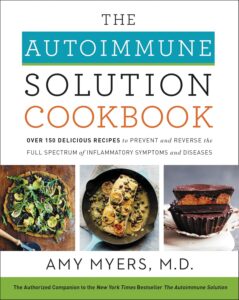
Not sure which foods to eat? The Autoimmune Solution Cookbook might be just what you need!
References
https://www.ncbi.nlm.nih.gov/pmc/articles/PMC6478664/
https://www.health.harvard.edu/staying-healthy/foods-that-fight-inflammation
https://my.clevelandclinic.org/health/articles/17900-inflammatory-foods
https://www.ncbi.nlm.nih.gov/pmc/articles/PMC4512006/
https://www.frontiersin.org/articles/10.3389/fimmu.2017.00598/full
When Your Symptoms Are Invisible: Coping with the Emotional Toll of Not Being Believed